
Finding the Source Before Making Repairs
Electrical Troubleshooting in Jonesboro for flickering lights, power loss, tripped breakers, and intermittent failures
Flickering lights that worsen when HVAC systems start, sections of your building that lose power without warning, breakers that trip with no clear pattern, or outlets that work intermittently all indicate electrical problems, but the visible symptom rarely reveals the underlying cause. Chamberlain Electric LLC performs electrical troubleshooting in Jonesboro to identify where failures originate before recommending repairs, which prevents the wasted effort and repeated service calls that result from replacing components that aren't actually defective. Troubleshooting isolates whether problems stem from overloaded circuits, deteriorated connections, failing protective devices, or damaged conductors hidden inside walls or conduit.
The troubleshooting process involves testing voltage at multiple points along the affected circuit, measuring current draw under operating conditions, checking continuity through protective devices, and inspecting connections for heat signatures that indicate resistance buildup. In residential and commercial systems throughout Northeast Arkansas, intermittent problems often trace back to neutral connections that have oxidized at the panel or loose terminals inside junction boxes that make contact only under certain load conditions.
Arrange a diagnostic service to pinpoint the exact location and nature of electrical issues affecting your property.
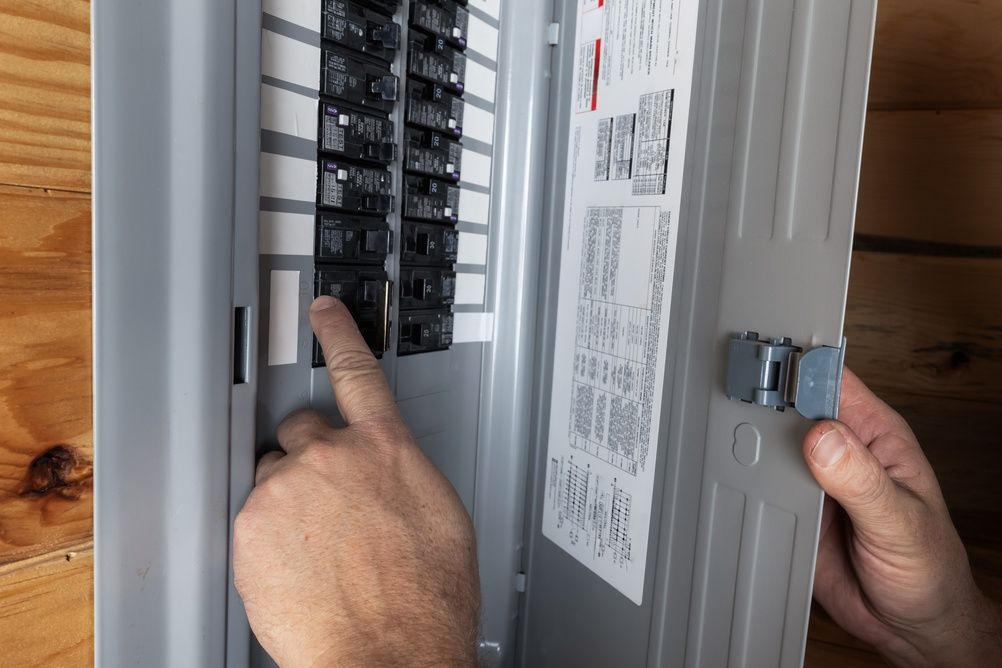
Systematic troubleshooting starts at the service panel and works outward, verifying that upstream components deliver stable voltage before investigating downstream devices, which eliminates variables and identifies the first point of failure in the circuit path. When breakers trip intermittently, testing determines whether the breaker itself has weakened, whether the circuit experiences overload conditions during specific usage patterns, or whether a ground fault exists somewhere on the branch circuit.
Once troubleshooting identifies the problem's location and cause, you receive an explanation of what failed, why it failed, and what repair will correct it, along with any related issues discovered during testing. This diagnostic clarity means you're not replacing breakers that function correctly, rewiring circuits that aren't damaged, or upgrading panels when the issue exists at a single connection point.
Troubleshooting also reveals whether symptoms that appear unrelated actually share a common cause, such as multiple circuits affected by a single deteriorated neutral connection, or whether separate issues coincidentally developed at the same time and require different repairs.
Common Questions About the Troubleshooting Process
Understanding how electricians isolate problems helps property owners recognize when professional diagnosis is necessary rather than attempting trial-and-error component replacement.
What tools identify problems that aren't visible?
Digital multimeters measure voltage, current, and resistance at specific points, clamp meters measure load without breaking circuits open, thermal imaging cameras detect hot spots indicating high-resistance connections, and circuit tracers locate wiring paths inside walls when circuits don't follow expected routes.
How long does troubleshooting typically take?
Simple issues like a tripped GFCI or loose wire at a single device may require only minutes to confirm, while intermittent problems that occur only under specific load combinations or environmental conditions can require an hour or more of testing to reproduce and isolate.
Why do some electrical problems only happen at certain times?
Temperature-dependent issues occur when connections expand and contract with heat cycles, load-dependent problems appear only when specific appliances run simultaneously, and time-based patterns often indicate utility voltage fluctuations during peak demand periods that stress marginal components beyond their remaining capacity.
When should troubleshooting be performed instead of just replacing suspected parts?
Any time the symptom doesn't clearly point to a single failed component, when previous repairs didn't resolve the issue, when multiple circuits exhibit similar problems, or when intermittent behavior suggests the problem may not be component failure but rather circuit design or upstream supply issues.
What problems are most difficult to diagnose in Jonesboro commercial buildings?
Intermittent neutral connections in older three-phase panels, shared neutral circuits that were common in 1970s construction, and ground faults in exterior circuits where underground conduit has allowed moisture infiltration require methodical testing because symptoms often migrate between different areas as load patterns change throughout the day.
Chamberlain Electric LLC performs thorough electrical troubleshooting that identifies root causes before beginning repair work, saving time and preventing unnecessary replacements. Contact our office to request professional troubleshooting for electrical issues that haven't responded to basic resets or component replacement.